Comparison is the method
Gulf education ministries routinely benchmark against other systems, and this doctorate makes that comparison the central academic habit rather than an occasional exercise.


Girne American University publishes the full syllabus for this doctorate, course by course, which is rare. Administration and supervision are studied comparatively against leading countries, dissertation work is checked by a jury twice, and an indexed publication must come out of the research.
Note: Duration will be based on your experience and it can be advanced bachelors too which differs from prospects to prospects
Registered at GAU as Educational Administration and Supervision, this doctorate runs over seven published semesters and documents itself more openly than any other programme in the university's doctoral range. Every compulsory course and every elective carries a written description on the official page, so you can read what you are signing up for before you apply.
The comparative method shapes the whole thing. Comparative Educational Administration examines how leading countries run their systems and sets those practices against home-country philosophy; Comparative Educational Supervision does the same for inspection and strategic planning. Research training is practical, covering action research, classroom observation, SPSS for quantitative work and Nvivo or Atlas.ti for qualitative analysis.
Dissertation work is divided into three parts with two formal monitoring presentations to a jury formed by the Graduate School. The final part requires a publication drawn from the dissertation under the Social Sciences Citation Index framework, alongside compliance with accepted plagiarism limits.
Every compulsory and elective course carries a published description, so the curriculum is visible before you commit.
Administration and supervision practice in leading countries is investigated and set against home-country applications and philosophies.
SPSS for quantitative analysis, Nvivo and Atlas.ti for qualitative work, specified in the course descriptions rather than assumed.
Dissertation I and II each end with a presentation to a jury formed by the Graduate School, so problems surface early.
Dissertation III requires an output drawn from the dissertation under the Social Sciences Citation Index framework.
FREL 500 lets you take a course from another department of the university where the content and activities align.

Gulf education ministries routinely benchmark against other systems, and this doctorate makes that comparison the central academic habit rather than an occasional exercise.
Two full courses address educational supervision, including new trends and the supervision of instruction, which maps onto school inspectorate and quality roles across the region.
SPSS, Nvivo and Atlas.ti are named in the syllabus, so the analytical skills transfer straight into ministry and institutional research work.
Two jury monitoring presentations give working professionals fixed external deadlines, which helps when study competes with a demanding post.
The SSCI-framework requirement in Dissertation III produces the kind of output Gulf academic promotion committees ask to see.
GAU publishes no duration in years, no fee and no accreditation line for this specific doctorate. Get all three confirmed in writing by the Institute.
Join professionals across leading organizations worldwide
Graduates placing at world-class organisations across aviation, energy, finance and government
















Join our growing global network of industry leaders
Real-world perspectives from the minds shaping global business education

Alexander is a leader in AI and cloud integration, specializing in ethical AI strategy and financial services. He develops courses on Machine Learning, NLP, and AI ethics, driving tech business growth.

Dr. David Holliman, an educator with 15+ years of experience, is Chairman of Holliman Holdings, managing business operations in tourism, trading, asset management, and education
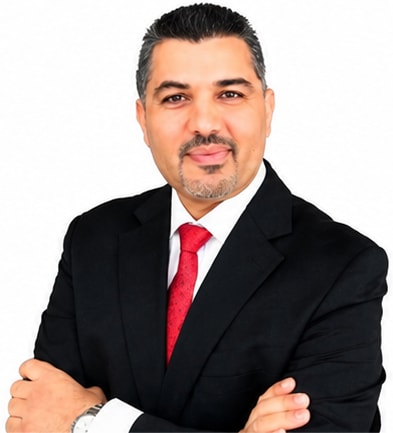
Dr. Othman Abu Khurma, a passionate science educator with 18 years' experience in Jordan and the GCC, excels in designing engaging teaching materials, fostering dynamic discussions, enhancing learning for educators and students.

Prof. Steve, a global leader and entrepreneur with 20+ years of experience, delivers corporate training and academic courses on negotiation, conflict resolution, mediation, and cross-cultural communication.

Veronika Knight delivers practical, human-centered learning experiences for corporate teams across the UAE and GCC. Her approach focuses on developing soft skills and encouraging meaningful behavioural change, helping learners apply their knowledge with confidence in the workplace.
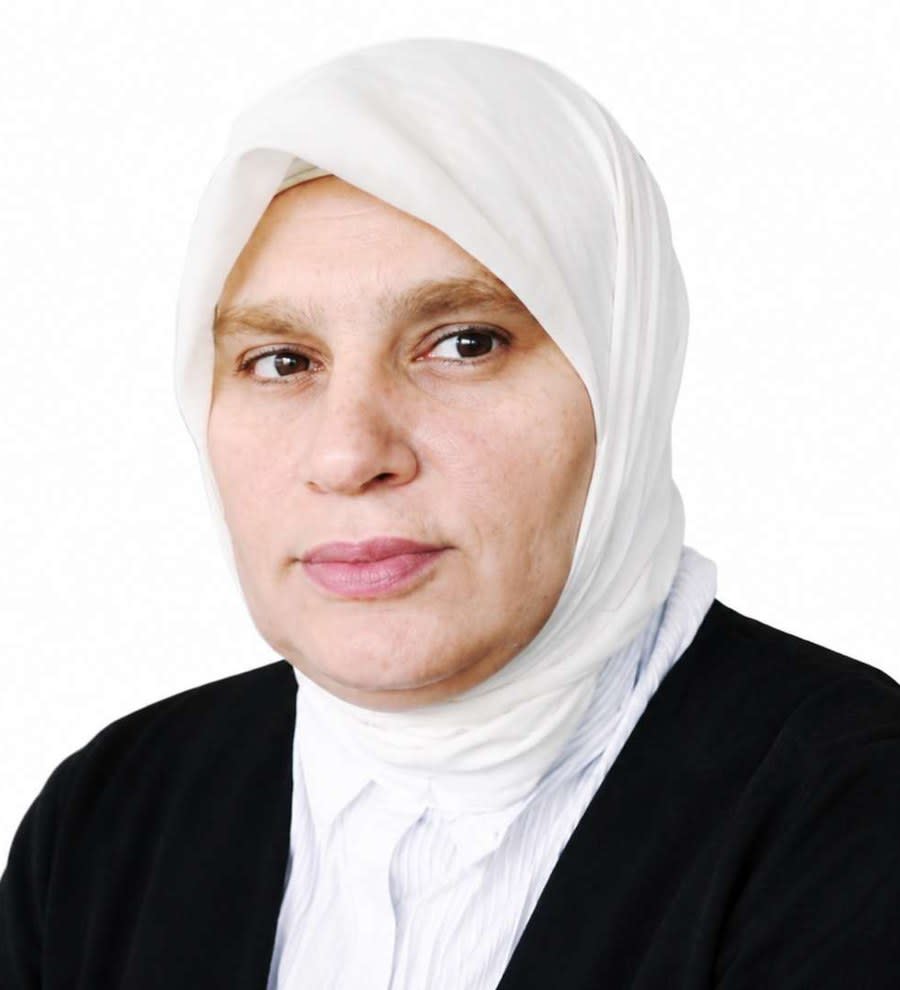
Shyma brings over 10 years of teaching experience and a background at Microsoft, combining academic expertise with practical industry insights to support learners’ professional growth.
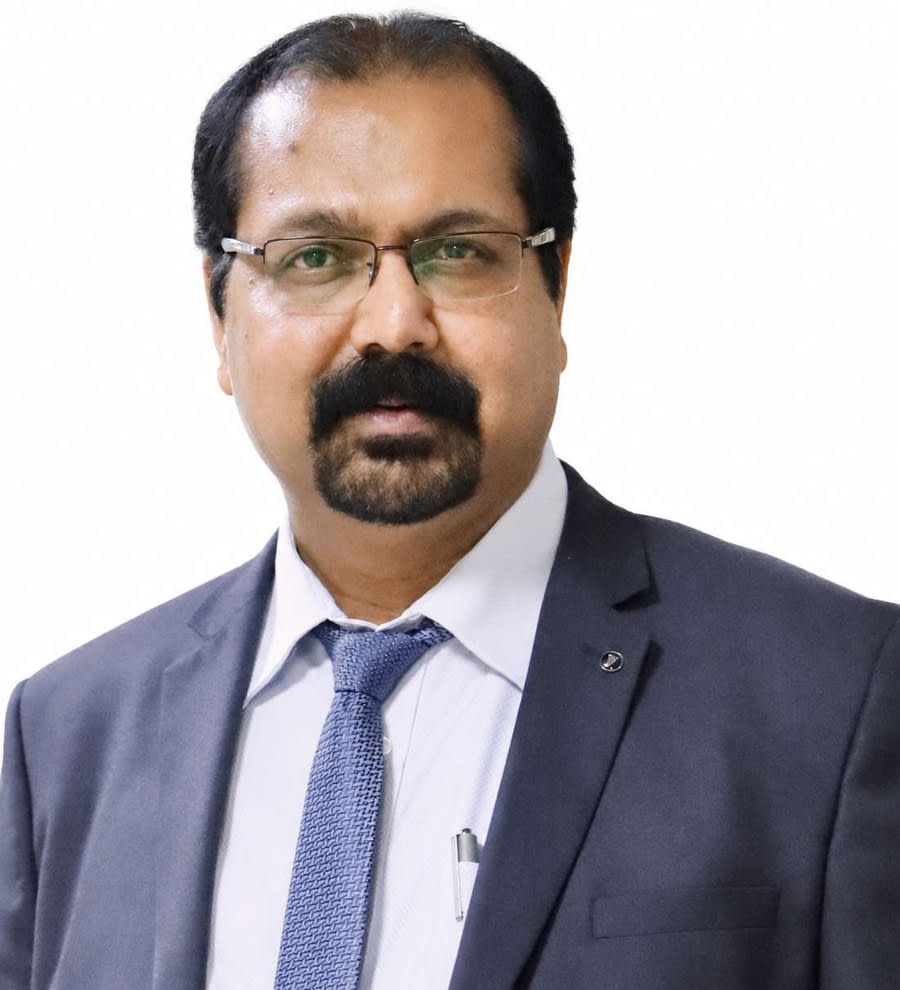
Dr. Shanmugan brings over 26 years of experience in management education and research across India and the UAE, with expertise in marketing, international business, research methods, and digital transformation.

Prof. Yana Nikitina is an accomplished economist, lecturer, and researcher with a PhD in Economics and a Master’s in Education Leadership. She brings extensive experience in teaching Economics, Finance, Accounting, and Business, with a strong commitment to student-centred learning, research excellence, and professional development.
Speak to our admissions team for a personalised breakdown based on your intake and study mode.
Request Fee StructureNo commitment required. We'll connect you with an advisor.
Yes. The listing you are reading uses the title Maverick records, while the university registers the doctorate as Educational Administration and Supervision PhD. Same programme, two names. Quote GAU's version when you write to the Institute and it will be recognised immediately.
GAU does not state a figure in years for this doctorate, which is unusual among its programmes. What it does publish is a semester plan running to seven semesters, with taught work in the first three and qualification plus a three-part dissertation after that. We have chosen not to borrow the three-year figure shown on GAU's other doctoral pages, because it is not stated for this one.
Twice during the dissertation you present completed work to a jury formed by the Graduate School. Monitoring 1 follows Dissertation I and covers your introduction, literature review and methodology. Monitoring 2 follows Dissertation II, by which point the methodology has been applied and your findings, results and recommendations are written up. The Graduate School announces the dates.
Research Methods in Education covers action research, classroom observation, data collection methods, statistical methods, research ethics and quantitative, qualitative, mixed and experimental methodologies. Advanced Statistics then adds general linear modelling, multiple regression, exploratory and confirmatory factor analysis, and multivariate techniques including ANOVA, MANOVA and ANCOVA. A further elective covers qualitative design, interviews, observation, documentation and triangulation.
Dissertation III states that a publication drawn from the dissertation must be accomplished under the framework of the Social Sciences Citation Index. The same stage also requires the work to meet the Graduate School's conditions on methodology quality and accepted plagiarism percentages.
Because GAU has not published one for this doctorate. Unlike its other doctoral pages, this programme has no information panel at all, so there is no fee field, no stated duration and no programme-level accreditation line to report. We would rather leave those blank than guess. Contact the Institute of Graduate Studies and Research for the current schedule.
Share a few details and our admissions team will reach out to guide you through the next steps.