The region runs on process plant
Refining, petrochemicals, gas processing and fertiliser production are core GCC industries, and this is their safety discipline.


Sixty credits, four subjects, and a clear line drawn: process safety is about the plant, not the people walking past it. HAZOP and inherently safer design are named outright. Entry asks for an engineering or technical discipline.
Note: Duration will be based on your experience and it can be advanced bachelors too which differs from prospects to prospects
Two disciplines share a word and get confused constantly. Occupational safety is about people at work — slips, exposure, protective equipment. Process safety is about the plant: the reaction that runs away, the vessel that over-pressurises, the design decision taken years earlier that nobody revisited. This qualification is firmly the second kind, and the content makes that plain even though the page never spells the distinction out.
Four subjects carry it. Process Safety Management Systems. Risk Based Process Safety. Process Safety Culture and Human Factors. Development as a Strategic Manager. Behind them sit eight published outcomes that name real technique: applying the principles of inherently safer design, analysing the anatomy of process safety incidents using HAZOP — hazard and operability study — and assessing what artificial intelligence and machine learning are changing in the field.
Two things set it apart. It is 60 credits rather than 120, half the size of its sister safety awards. And its entry requirements are the most specialised anywhere here: an engineering degree, or a qualification in chemical, instrumentation, mechanical or a related discipline. Framework number 603/7608/9.

Hazard and operability study is published as technique you will apply to the anatomy of incidents.
The principle of designing hazards out rather than controlling them later appears as a published outcome.
One outcome covers what both are changing in process safety management.
A full subject examines competency development and how people behave around process hazards.
Entry routes name chemical, instrumentation and mechanical disciplines specifically.
At 60 credits this is the smallest Level 7 award in this listing, which suits practitioners already in post.
 Q
Refining, petrochemicals, gas processing and fertiliser production are core GCC industries, and this is their safety discipline.
Hazard and operability study is standard practice on regional plant, so the content matches the work.
Most process safety roles in the Gulf are filled by chemical and mechanical engineers, exactly as the requirements anticipate.
A smaller award is easier to carry alongside shift work and rotation patterns.
Qualifi states the qualification is available in the UK and internationally through approved centres.
The awarding body publishes no fee. Get a written, itemised quotation locally.
Join professionals across leading organizations worldwide
Graduates placing at world-class organisations across aviation, energy, finance and government
















Join our growing global network of industry leaders
Real-world perspectives from the minds shaping global business education

Alexander is a leader in AI and cloud integration, specializing in ethical AI strategy and financial services. He develops courses on Machine Learning, NLP, and AI ethics, driving tech business growth.

Dr. David Holliman, an educator with 15+ years of experience, is Chairman of Holliman Holdings, managing business operations in tourism, trading, asset management, and education

Dr. Othman Abu Khurma, a passionate science educator with 18 years' experience in Jordan and the GCC, excels in designing engaging teaching materials, fostering dynamic discussions, enhancing learning for educators and students.

Prof. Steve, a global leader and entrepreneur with 20+ years of experience, delivers corporate training and academic courses on negotiation, conflict resolution, mediation, and cross-cultural communication.
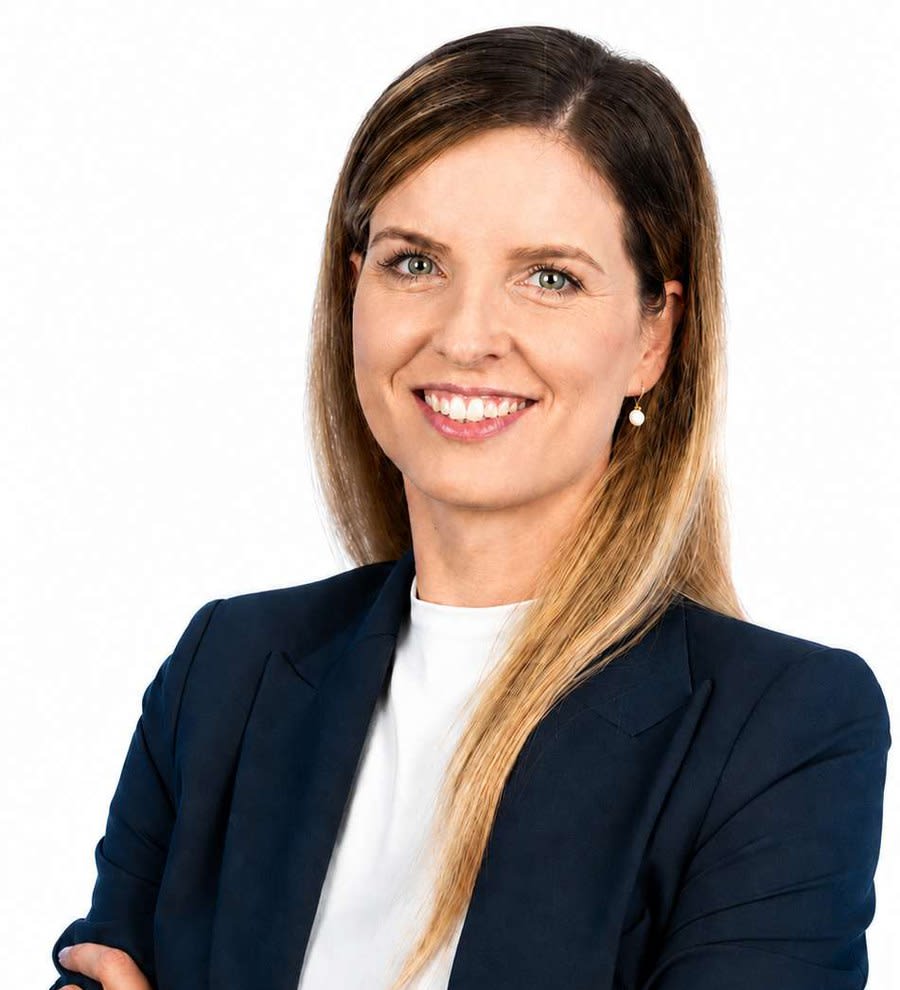
Veronika Knight delivers practical, human-centered learning experiences for corporate teams across the UAE and GCC. Her approach focuses on developing soft skills and encouraging meaningful behavioural change, helping learners apply their knowledge with confidence in the workplace.
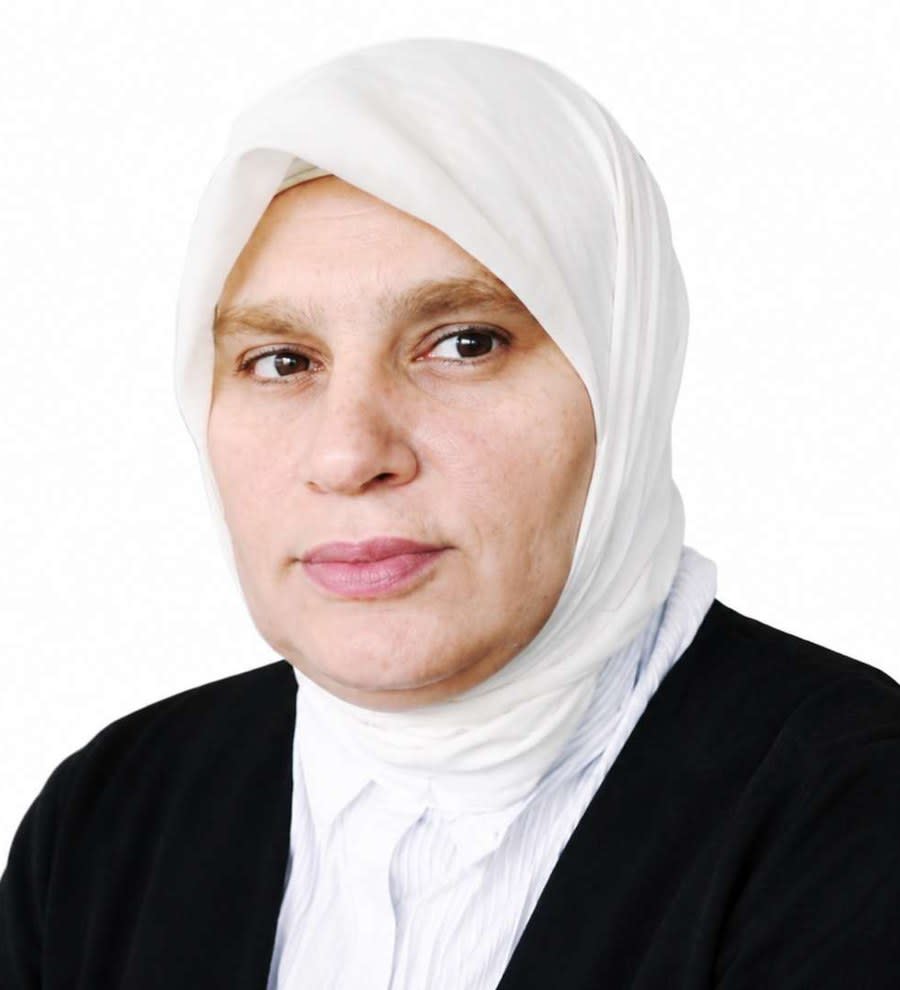
Shyma brings over 10 years of teaching experience and a background at Microsoft, combining academic expertise with practical industry insights to support learners’ professional growth.

Dr. Shanmugan brings over 26 years of experience in management education and research across India and the UAE, with expertise in marketing, international business, research methods, and digital transformation.

Prof. Yana Nikitina is an accomplished economist, lecturer, and researcher with a PhD in Economics and a Master’s in Education Leadership. She brings extensive experience in teaching Economics, Finance, Accounting, and Business, with a strong commitment to student-centred learning, research excellence, and professional development.
Speak to our admissions team for a personalised breakdown based on your intake and study mode.
Request Fee StructureNo commitment required. We'll connect you with an advisor.
Occupational safety protects individuals from everyday workplace hazards — falls, manual handling, noise, exposure, protective equipment. Process safety prevents low-frequency, high-consequence events arising from the plant itself: loss of containment, runaway reactions, explosions, structural failure. They need different knowledge and different people. Qualifi does not spell the distinction out on its page, but the content here — management systems, HAZOP, inherently safer design, risk-based process safety — is squarely the second discipline. If you want the first, look at the occupational awards instead.
Qualifi publishes the credit equivalency as 60 and offers no explanation, so we can report the figure but not the reasoning. What matters practically is the comparison: both occupational health and safety diplomas in this listing are 120 credits, so this is half the size of either. That makes it a shorter, more focused commitment rather than a lesser one, but you should weigh it accordingly against any requirement an employer has set, particularly if a job specification mentions a credit value or a notional study length.
HAZOP stands for hazard and operability study — a structured, team-based review that works through a plant design or procedure deviation by deviation, asking what happens if a flow is too high, a temperature too low, a valve stuck. Inherently safer design is the principle of removing or reducing a hazard at the design stage rather than adding layers of protection around it later: smaller inventories, milder conditions, less hazardous substances. Both are named in Qualifi's published outcomes. The explanations above are ours; how deeply each is taught is a matter for the specification and your centre.
One of the published routes is an engineering bachelor's or master's, and another is a degree or diploma in chemical, instrumentation, mechanical or a relevant process safety discipline. These are the most specific entry requirements of any qualification in this listing, and they tell you plainly who the award is designed for. A fourth bullet mentions three years of work experience, but it is punctuated as a continuation rather than a clear alternative, so whether experience alone is enough is genuinely unclear from the page. Put that question to your centre in writing.
That outcome does refer to reviewing the impact of Covid on an organisation's process safety culture, and the specification behind the award is dated June 2021, which explains the framing. We are reporting it because it is published, not because it reflects current emphasis. The underlying point — how a major external disruption tests safety culture and competency — has not stopped being relevant. If currency matters to you, ask the centre when the teaching content was last reviewed.
Neither appears anywhere on the official page, and no total qualification time is given either, leaving no official hours figure to benchmark against. Both answers come from your approved centre, since the awarding body's role ends at accrediting and certificating the qualification. Given the smaller credit value, ask specifically how long this centre expects a 60-credit programme to run, and make sure the quoted price is itemised rather than a single headline figure.
Share a few details and our admissions team will reach out to guide you through the next steps.