Regional trade runs through chokepoints
Shipping lanes serving the Gulf are exposed in ways that make resilience planning a board-level question.


Crime, corruption and terrorism in one subject. Natural disasters, climate change and pandemics in another. This is not a logistics operations qualification — it is about what happens to a supply chain when something goes badly wrong.
Note: Duration will be based on your experience and it can be advanced bachelors too which differs from prospects to prospects
Read the subject list and the scope announces itself. Critical Issues: Supply Chain Crime, Corruption and Terrorism. Critical Issues: Management of Supply Chains during Natural Disasters, Climate Change and Pandemics. Nothing else in this listing names anything close to either. These are not the subjects of a warehousing or procurement course; they are the subjects of a course about failure under pressure.
Qualifi describes the award as being for aspiring strategic leaders in the sector, and says it equips them with the tools to build strategic resilience into their supply chains using a blend of historic models and modern techniques. Resilience is the word that holds the whole thing together. Four further subjects support it: a strategic framework for understanding risk and resilience building, an engineering systems view of supply chain resilience, sector-specific resilience management, and ethical and social supply chain management.
What you will not find is day-to-day logistics. No subject covers warehousing, transport planning, inventory control or procurement. If your worry is whether the chain survives a port closure, a sanctioned supplier or a flooded route, that is the ground it occupies. Credit value: 120 at Level 7, framework number 603/6067/7.

A dedicated subject on deliberate interference with supply chains, which no other qualification here addresses.
Another subject covers managing supply chains through natural disasters, climate change and pandemics.
Resilience examined as a property of the system, not just a matter of holding more stock.
Sector Specific Supply Chain Resilience Management recognises that a food chain and a pharmaceutical chain fail differently.
Ethical and Social Supply Chain Management sits alongside the risk subjects rather than after them.
Three years of managerial work experience is listed as an entry option in its own right.
 Q
Shipping lanes serving the Gulf are exposed in ways that make resilience planning a board-level question.
Heat, flooding and water stress affect routes, storage and delivery windows across the region.
Supply chain crime and corruption content speaks directly to compliance pressures on regional trade.
A pharmaceutical chain and a construction materials chain fail very differently in the same market.
Qualifi states this qualification is available in the UK and internationally through approved centres.
No price is published by the awarding body. Request an itemised written quotation before you commit.
Join professionals across leading organizations worldwide
Graduates placing at world-class organisations across aviation, energy, finance and government
















Join our growing global network of industry leaders
Real-world perspectives from the minds shaping global business education
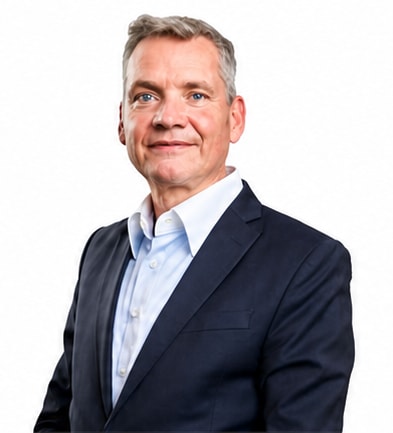
Alexander is a leader in AI and cloud integration, specializing in ethical AI strategy and financial services. He develops courses on Machine Learning, NLP, and AI ethics, driving tech business growth.

Dr. David Holliman, an educator with 15+ years of experience, is Chairman of Holliman Holdings, managing business operations in tourism, trading, asset management, and education

Dr. Othman Abu Khurma, a passionate science educator with 18 years' experience in Jordan and the GCC, excels in designing engaging teaching materials, fostering dynamic discussions, enhancing learning for educators and students.
Prof. Steve, a global leader and entrepreneur with 20+ years of experience, delivers corporate training and academic courses on negotiation, conflict resolution, mediation, and cross-cultural communication.
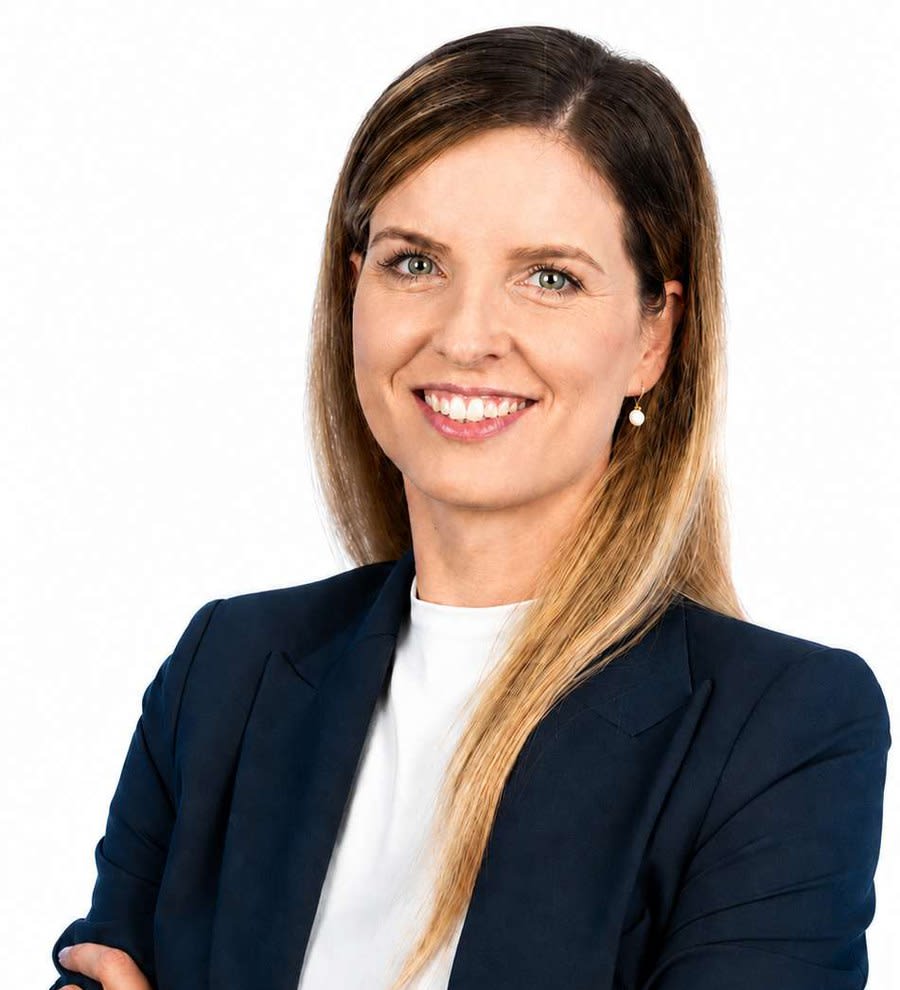
Veronika Knight delivers practical, human-centered learning experiences for corporate teams across the UAE and GCC. Her approach focuses on developing soft skills and encouraging meaningful behavioural change, helping learners apply their knowledge with confidence in the workplace.

Shyma brings over 10 years of teaching experience and a background at Microsoft, combining academic expertise with practical industry insights to support learners’ professional growth.
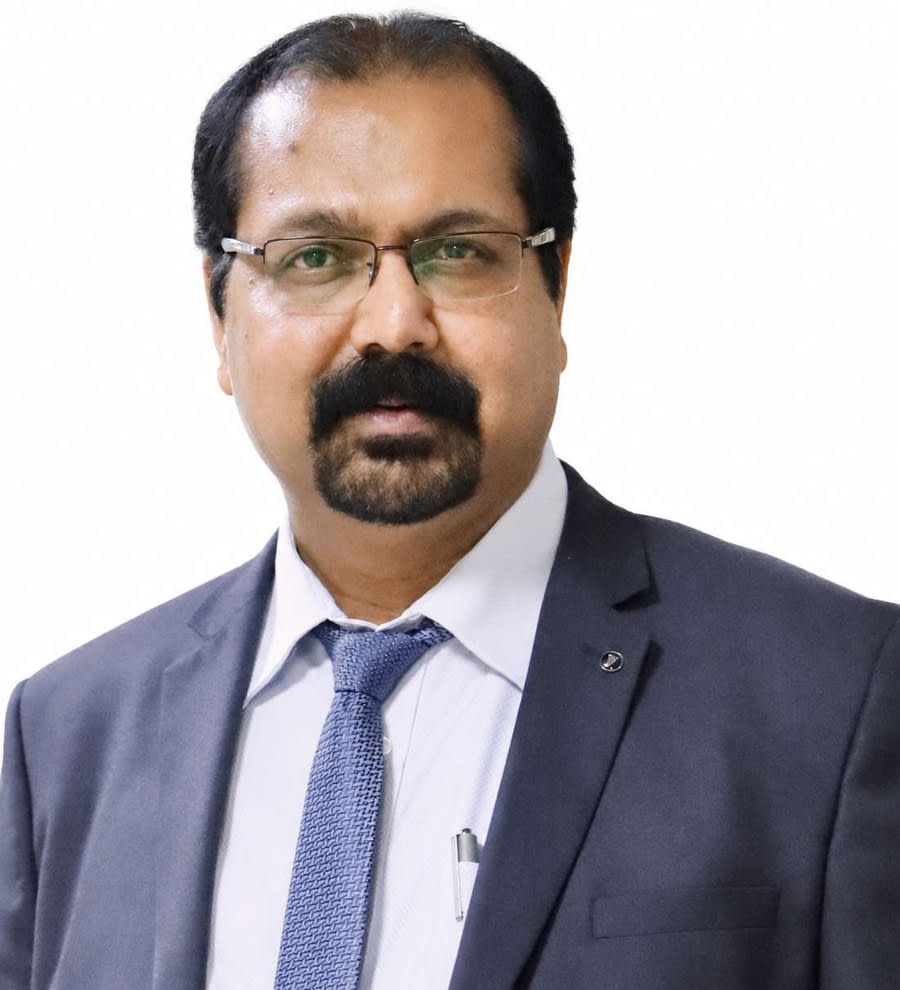
Dr. Shanmugan brings over 26 years of experience in management education and research across India and the UAE, with expertise in marketing, international business, research methods, and digital transformation.
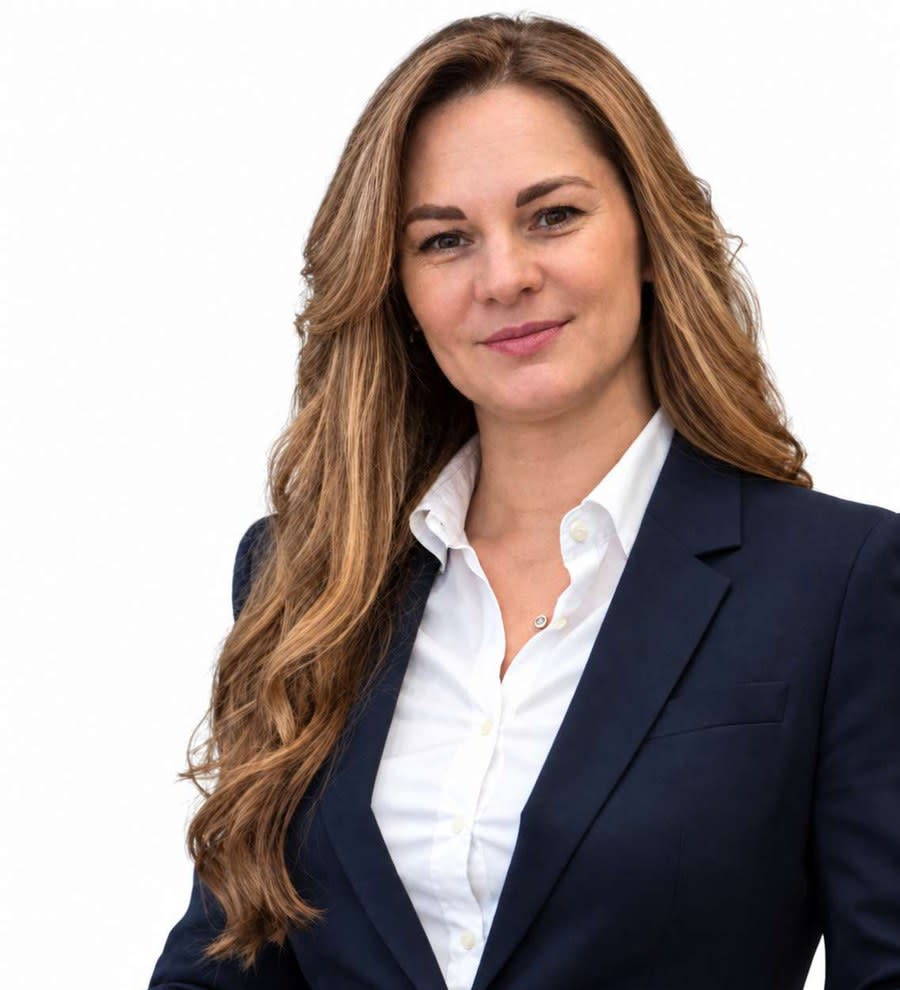
Prof. Yana Nikitina is an accomplished economist, lecturer, and researcher with a PhD in Economics and a Master’s in Education Leadership. She brings extensive experience in teaching Economics, Finance, Accounting, and Business, with a strong commitment to student-centred learning, research excellence, and professional development.
Speak to our admissions team for a personalised breakdown based on your intake and study mode.
Request Fee StructureNo commitment required. We'll connect you with an advisor.
No, and it is better to know that now than after enrolling. None of the six published subjects covers warehousing, fleet or transport planning, inventory control, demand forecasting or procurement process. Every one of them is about risk, resilience, disruption or ethics. Qualifi positions the award for aspiring strategic leaders and frames the whole thing around building resilience into a chain. If you need the operational toolkit, this is not where you will find it; if you already have it and keep being caught out by disruption, it is well aimed.
The subject title is published — Critical Issues: Supply Chain Crime, Corruption and Terrorism — but nothing describing what sits inside it, so what follows is what the title signals rather than a syllabus. It is the only subject anywhere in this listing that addresses deliberate interference with a supply chain, as opposed to accidental failure. Cargo theft, counterfeiting, bribery in procurement and the targeting of logistics infrastructure all sit naturally under that heading. For the real syllabus, ask the centre for the subject descriptor.
The specification does carry a July 2020 date, which is why one subject explicitly names pandemics alongside natural disasters and climate change. Rather than treat that as an expiry notice, judge it on content: deliberate disruption, climate exposure, systemic shock and sector-specific failure have not become less pressing since. What we would suggest is asking the centre when the taught material was last reviewed, since centres update delivery independently of the specification date.
Three years of managerial work experience demonstrating current and relevant industry knowledge is published as an entry route, listed alongside a Level 6 qualification in a related sector and a bachelors degree. As with several other awards in this range, the punctuation leaves a little doubt about whether experience stands fully on its own or sits alongside a qualification. No minimum age, English requirement or references are published either. Those are all questions for the approved centre, and worth asking before you apply rather than after.
Different kinds of risk. The Risk Management diploma deals with enterprise and financial exposure — governance, strategy risk, risk financing, quantitative modelling. This award deals with physical and operational disruption to the flow of goods, from crime and terrorism to floods and pandemics. They would complement each other, but neither substitutes for the other, and the entry requirements differ as well: that one publishes an age minimum and no qualification requirement, while this one publishes qualification and experience routes and no age limit.
Qualifi answers neither question. It accredits and certificates the qualification; the teaching, the schedule and the price belong to the approved centre you enrol with. No total qualification time is published, so there is no official hours estimate to weigh a proposed timetable against. Before you commit, ask for the intake dates, a realistic end date and a price broken down into tuition, registration and certification.
Share a few details and our admissions team will reach out to guide you through the next steps.