Construction never stops here
Major infrastructure and development programmes across the GCC keep safety competence in constant demand.


Twelve subjects on hazard control, proactive and reactive monitoring, emergency response and audit, taught alongside the communication, culture and people skills that decide whether any of it is followed. Suitable for part-time study while working.
Note: Duration will be based on your experience and it can be advanced bachelors too which differs from prospects to prospects
Safety systems fail for two reasons. Sometimes nobody worked out the hazard. More often somebody did, wrote it down, and nothing changed on the ground because the message never landed, the culture rewarded shortcuts, or no one checked. This award is built around both halves of that problem.
Qualifi puts the technical side as hazard and risk assessment and control, monitoring and emergency response systems, and health and safety review and audit. It then names the other side explicitly: effective communication, promoting a positive culture, process management and people management, all taught in an occupational health and safety context rather than in general.
Twelve subjects carry it, including an uncommon pairing — proactive monitoring systems and reactive monitoring systems as separate subjects, which is the difference between catching problems early and learning from them afterwards. Qualifi states the award suits part-time learners in the workplace as readily as full-time learners on placement. It is 240 credits, number 610/6564/X, and its specification was updated in October 2025.

Proactive and reactive monitoring systems are separate subjects, covering both catching problems early and learning from incidents.
Promoting a positive health and safety culture is taught in its own right, not assumed to follow from the rules.
Health and safety audit is a full subject, which is what turns a written system into a verified one.
A dedicated subject on emergency response systems and procedures rather than a passing mention.
Qualifi explicitly states the award suits people studying part-time while employed.
Qualifi publishes its own Level 6 diploma in the field as the next step.
 Q
Major infrastructure and development programmes across the GCC keep safety competence in constant demand.
Oil, gas and petrochemical operations across the region carry process safety risk that demands trained staff.
Outdoor work in extreme temperatures makes hazard control and monitoring more than a paperwork exercise.
Multinational site teams make the communication and culture subjects directly practical.
Qualifi states the award suits part-time learners already employed, which fits site-based schedules.
Confirm with your employer or authority which qualification they require, since recognition varies by country.
Join professionals across leading organizations worldwide
Graduates placing at world-class organisations across aviation, energy, finance and government
















Join our growing global network of industry leaders
Real-world perspectives from the minds shaping global business education

Alexander is a leader in AI and cloud integration, specializing in ethical AI strategy and financial services. He develops courses on Machine Learning, NLP, and AI ethics, driving tech business growth.

Dr. David Holliman, an educator with 15+ years of experience, is Chairman of Holliman Holdings, managing business operations in tourism, trading, asset management, and education
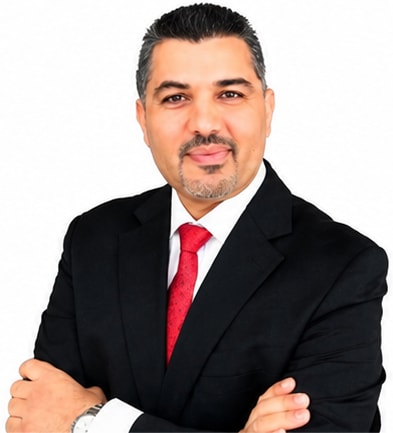
Dr. Othman Abu Khurma, a passionate science educator with 18 years' experience in Jordan and the GCC, excels in designing engaging teaching materials, fostering dynamic discussions, enhancing learning for educators and students.
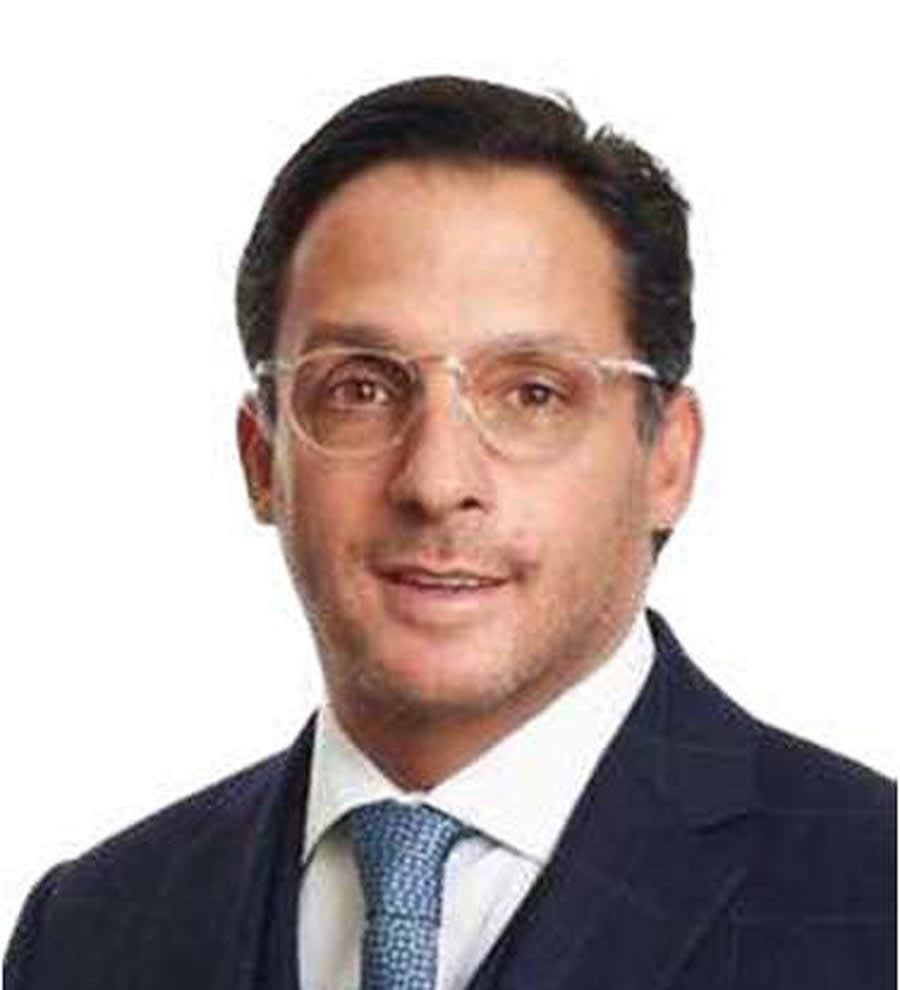
Prof. Steve, a global leader and entrepreneur with 20+ years of experience, delivers corporate training and academic courses on negotiation, conflict resolution, mediation, and cross-cultural communication.
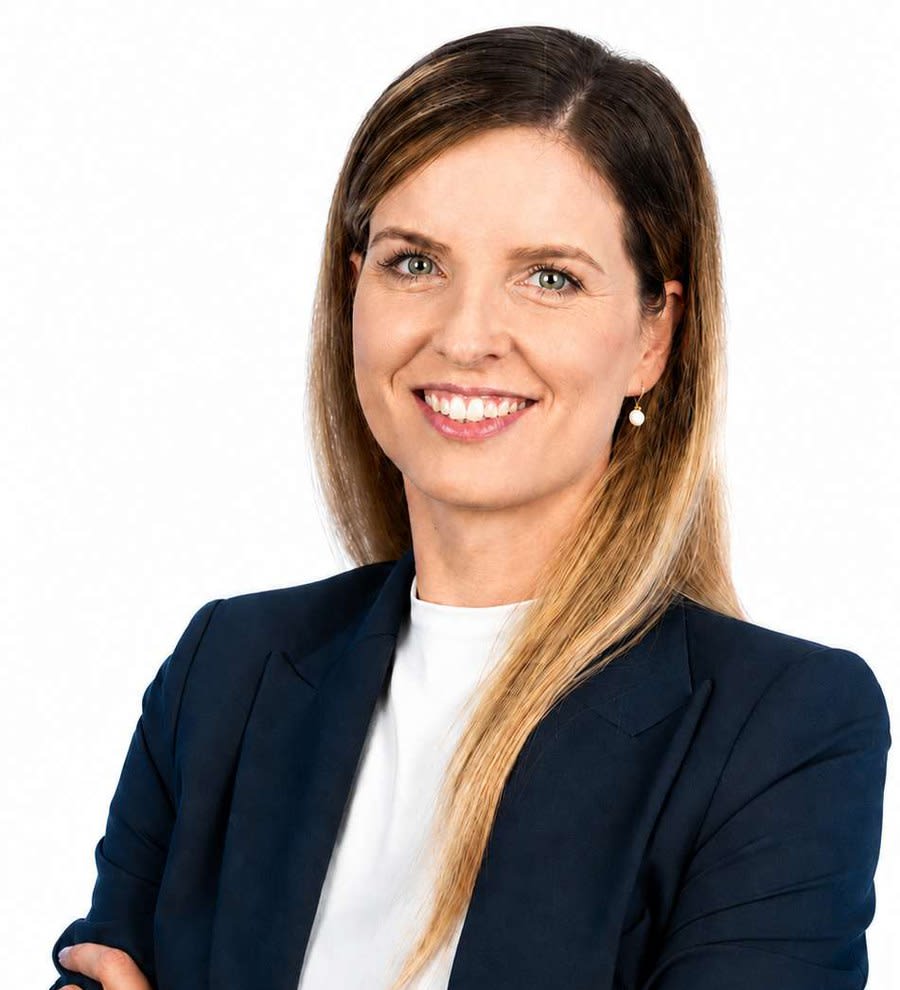
Veronika Knight delivers practical, human-centered learning experiences for corporate teams across the UAE and GCC. Her approach focuses on developing soft skills and encouraging meaningful behavioural change, helping learners apply their knowledge with confidence in the workplace.
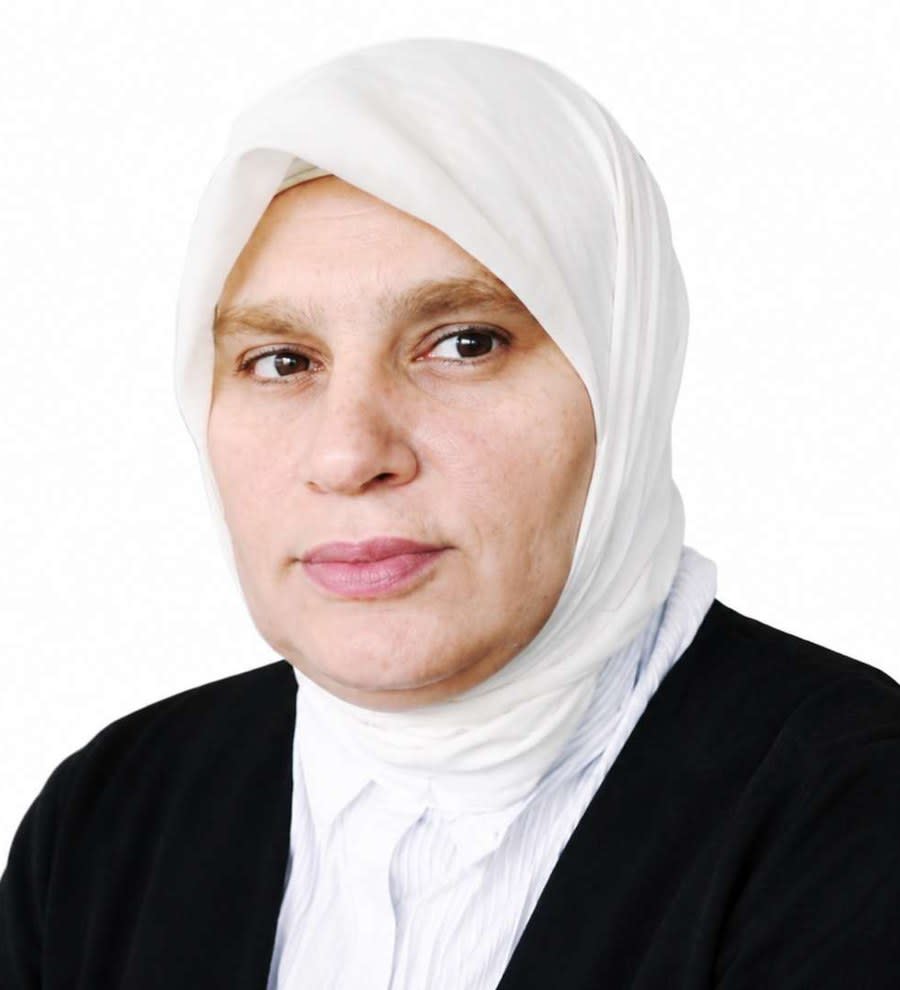
Shyma brings over 10 years of teaching experience and a background at Microsoft, combining academic expertise with practical industry insights to support learners’ professional growth.
Dr. Shanmugan brings over 26 years of experience in management education and research across India and the UAE, with expertise in marketing, international business, research methods, and digital transformation.

Prof. Yana Nikitina is an accomplished economist, lecturer, and researcher with a PhD in Economics and a Master’s in Education Leadership. She brings extensive experience in teaching Economics, Finance, Accounting, and Business, with a strong commitment to student-centred learning, research excellence, and professional development.
Speak to our admissions team for a personalised breakdown based on your intake and study mode.
Request Fee StructureNo commitment required. We'll connect you with an advisor.
Because they are different activities with different purposes. Proactive monitoring means looking for problems before anything goes wrong — inspections, checks, measuring whether controls are actually in place. Reactive monitoring means examining what happened after an incident or near miss and feeding that back into the system. Organisations that do only the second are permanently behind. Giving each its own subject makes that distinction impossible to miss.
It is a regulated Level 5 qualification in the subject, not an appointment or a licence. Who may act as a competent person, safety officer or adviser is determined by the law and the regulator where you work, and frequently by your employer's own requirements too. Qualifi publishes nothing about those positions. Confirm what your jurisdiction and employer actually require before relying on any qualification to satisfy it.
Qualifi's page carries a link to a joint leaflet with the International Institute of Risk and Safety Management dated July 2023. We have not read that document, so we are not going to tell you what it establishes. What we will not do is turn a linked leaflet into a claim of membership, recognition or exemption. If that relationship matters to your plans, ask Qualifi or IIRSM directly.
Not on the qualification page. There is a link pointing to an outcomes section, but no outcomes appear in the page itself. Rather than fabricate them, the coverage shown here is taken from the topics Qualifi lists in its overview and from the subject titles, and it is labelled as such. The Centre Specification, updated in October 2025, is where the formal outcomes will be found.
Qualifi says the qualification is suitable for part-time learners in the workplace, and adds that it works equally for full-time learners who take a formal placement or part-time employment. So it is designed with working people in mind. The practical answer, though, depends on how your approved centre delivers it — evenings, blocks, online or in person — and that is worth settling before you enrol.
Three doors are listed on the official page: Qualifi's own Level 6 Diploma in Occupational Health and Safety Management, degree programmes in higher education, and going straight into work in an associated profession. Most of its Level 5 awards name only one or two, so three is generous by comparison. Qualifi also runs occupational health and safety qualifications at Level 7, so the ladder continues well above this point.
Share a few details and our admissions team will reach out to guide you through the next steps.